
Cumulative Impacts
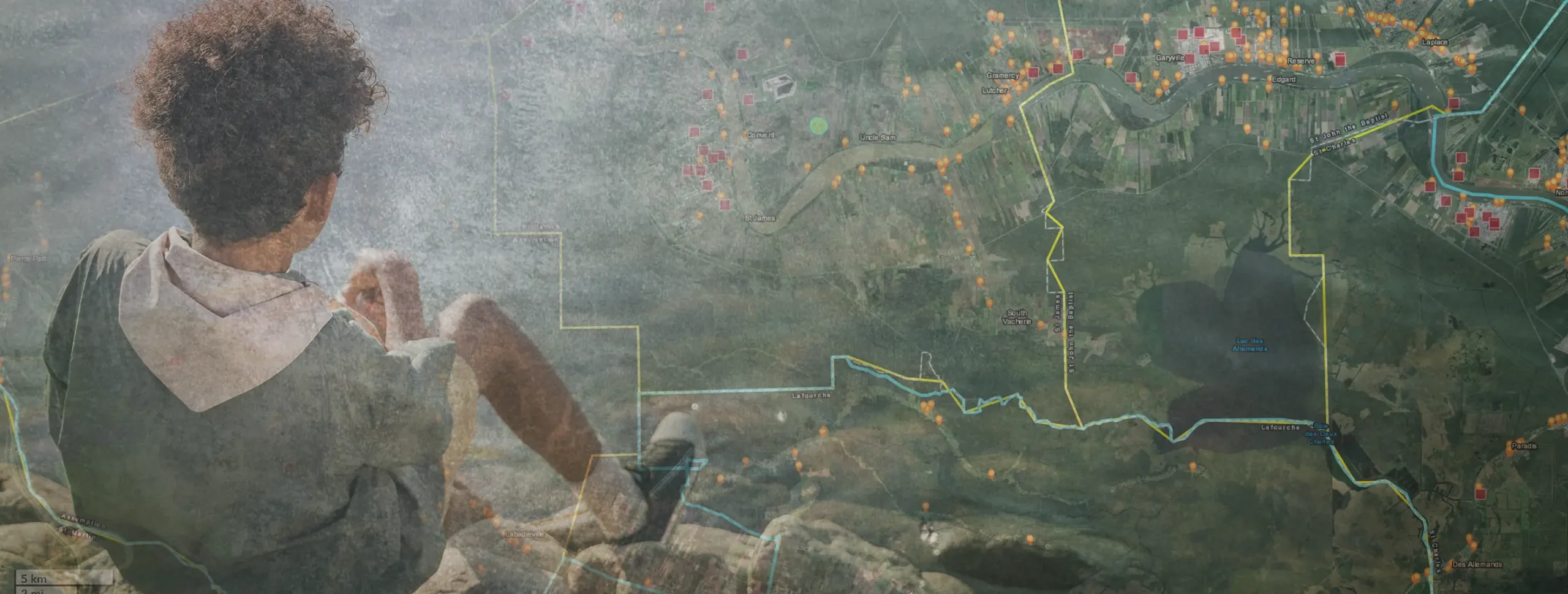
Our health is inextricably linked to the environment in which we live. Exposure to toxic chemicals, extreme temperatures, and other environmental stressors increase our risk of disease. A lack of green space for recreation and exercise, inadequate access to nutritious food, lack of medical care, and other physical and social stressors can worsen these effects. Our lawmakers must consider these cumulative impacts, or the combined effects on our health of the different stressors to which we are exposed during our lifetime, when developing policy.
Too often, government agencies' permitting decisions allow polluting facilities to cluster around areas where their combined toxic releases expose affected communities to an unacceptably high risk of cancer, asthma, and other diseases. Public health protections meant to prevent people's exposure to toxic substances are also oftentimes shortsighted, taking a chemical-by-chemical approach instead of considering what happens when people are exposed to a variety of common chemicals together. Considering cumulative impacts when making these decisions protects people-especially sensitive populations such as children and the elderly-from preventable harm and preserves the health of our communities.
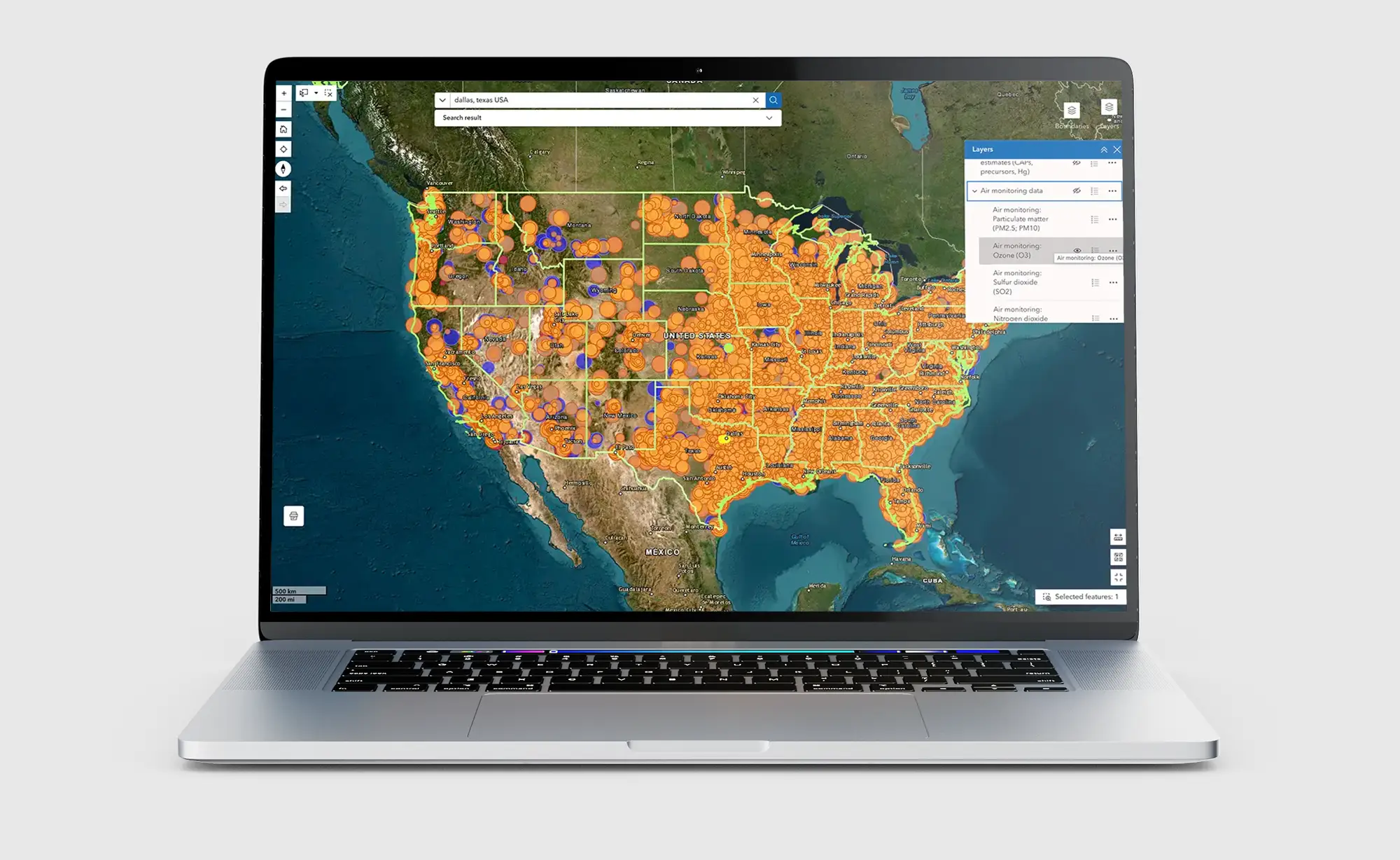
Use the Earthjustice Action Community Health Atlas: An Environmental Impacts Mapping Tool to see sources of cumulative impacts in your area.
Read the stories
- Cancer Alley Rises Up
- Medicaid, Pollution, and Policy Failures - An Overlooked Cycle
- Fighting to Breathe: Andrea Vidaurre is Taking on the Freight Industry's Pollution from California to Washington, D.C.
- Groups Petition EPA to Address Longstanding Environmental Justice Violations in Texas' Air Permitting Program
- EPA Closes Civil Rights Investigation in Louisiana, Abandons Effort to Address Longstanding Environmental Discrimination
- In Louisiana's Cancer Alley, a Deserved Reprieve for St. John Residents After Years of Environmental Injustice
- Appeal Filed to Strengthen Colorado's Disproportionately Impacted Community Permitting Rule