
Earthjustice Action Responds to House Leadership Pulling Vote on Unprecedented Congressional Attack on Endangered Species Act
Congressman Westerman’s bill would remove urgently needed protections for imperiled wildlife
Contact: Jackson Chiappinelli, Earthjustice Action, jchiappinelli@earthjustice.org
Washington, D.C. — For the second week in a row, House Majority Leadership pulled Representative Westerman’s (R-AR) “ESA Amendments Act of 2025” (H.R. 1897) from going to a vote on the House floor. The proposed legislation would have eliminated urgently needed protections for endangered and threatened animals in plants across the country.
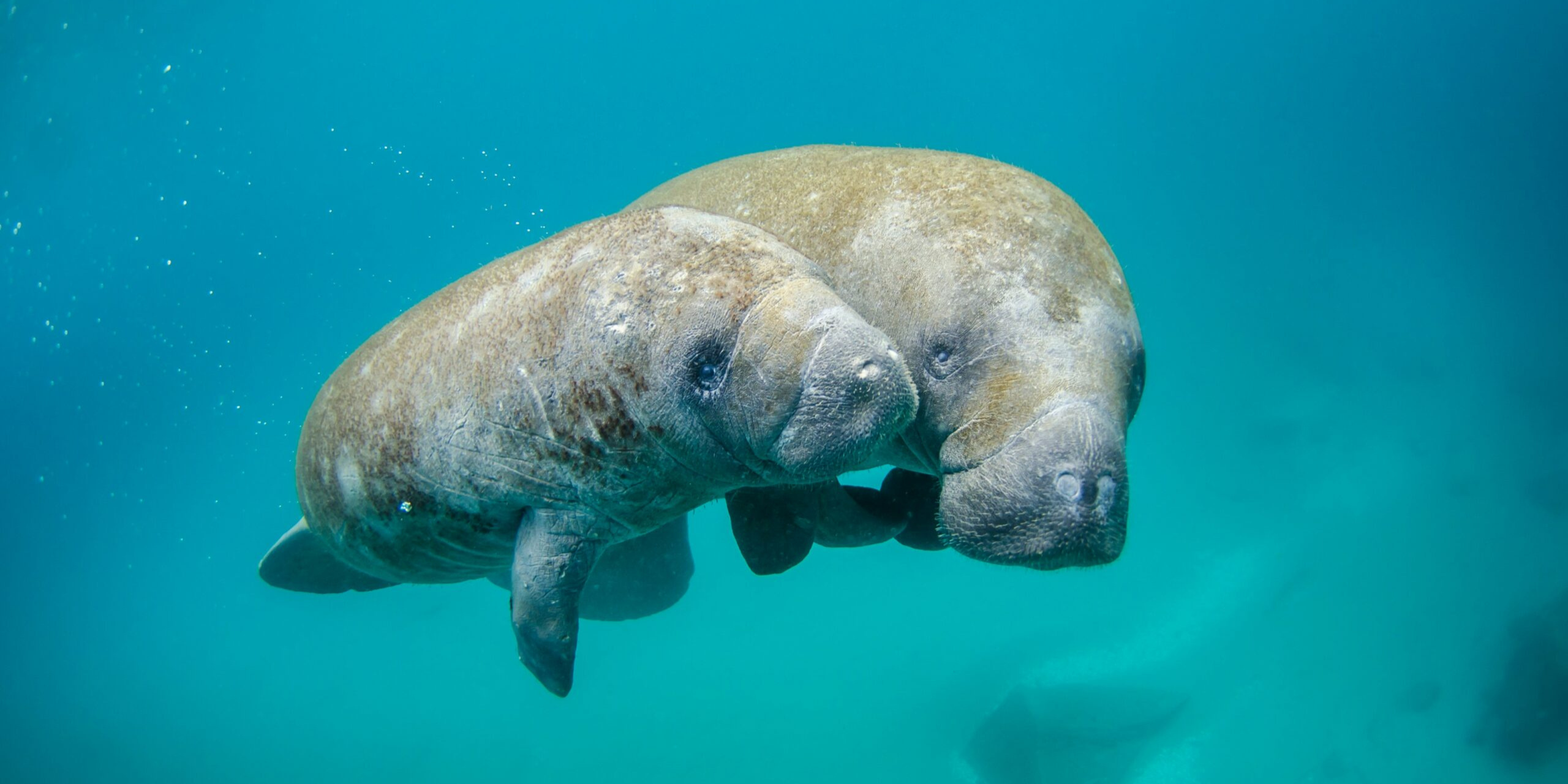
The vote, which would have taken place on Earth Day, could have upended the law that has served as a backbone for species protection for over 50 years — and saved 99 percent of species under its protection from going extinct, including bald eagles, Florida manatees, and polar bears.
“The vast majority of Americans want Congress to protect endangered wildlife from extinction — not gut the Endangered Species Act,” said Earthjustice Action Legislative Director for Lands, Wildlife, and Oceans Addie Haughey. “After hearing from their constituents, Members of Congress from across the country recognized today that this bill is extremely unpopular. We need policies and funding directed at protecting and recovering the wildlife we all love, and this reckless bill was not going to get us there.”
Background
The Endangered Species Act (ESA) is one of the most popular and effective conservation laws ever enacted in the U.S. The vast majority of Americans support the ESA, as they have for decades since President Nixon signed it into law with near unanimous approval in Congress.
In addition to the iconic wildlife the ESA has saved from extinction are lesser-known plants and animals which are no less critical to keeping our ecological networks intact and functioning.
For instance, the ESA plays a key role in keeping our water clean and supporting our national food supply by sustaining both fisheries and pollinators that support crops including apples, bananas, blueberries, strawberries, potatoes, almonds, coffee and even chocolate. The law has also helped the U.S. avoid public health crises, like by protecting species such as bats that hunt mosquitos and other insects that carry deadly diseases like malaria and dengue fever.
Meanwhile, the ESA plays a significant role in keeping a pillar of the U.S. economy strong by supporting stable ecosystems across the country. From the coastlines to the forests, from the great plainlands to the mountainous regions, functioning ecosystems in the U.S. represent $2.1 trillion of the national GDP, including through agriculture, tourism, recreation, and much more.