
Border Wall Plan Puts Lives, Private Land, and Big Bend National Park at Risk
Lawmakers and Texas residents Warn of Irreversible Harm to Texas Communities and the Rio Grande
Contact: Alejandro Davila, adavila@earthjustice.org
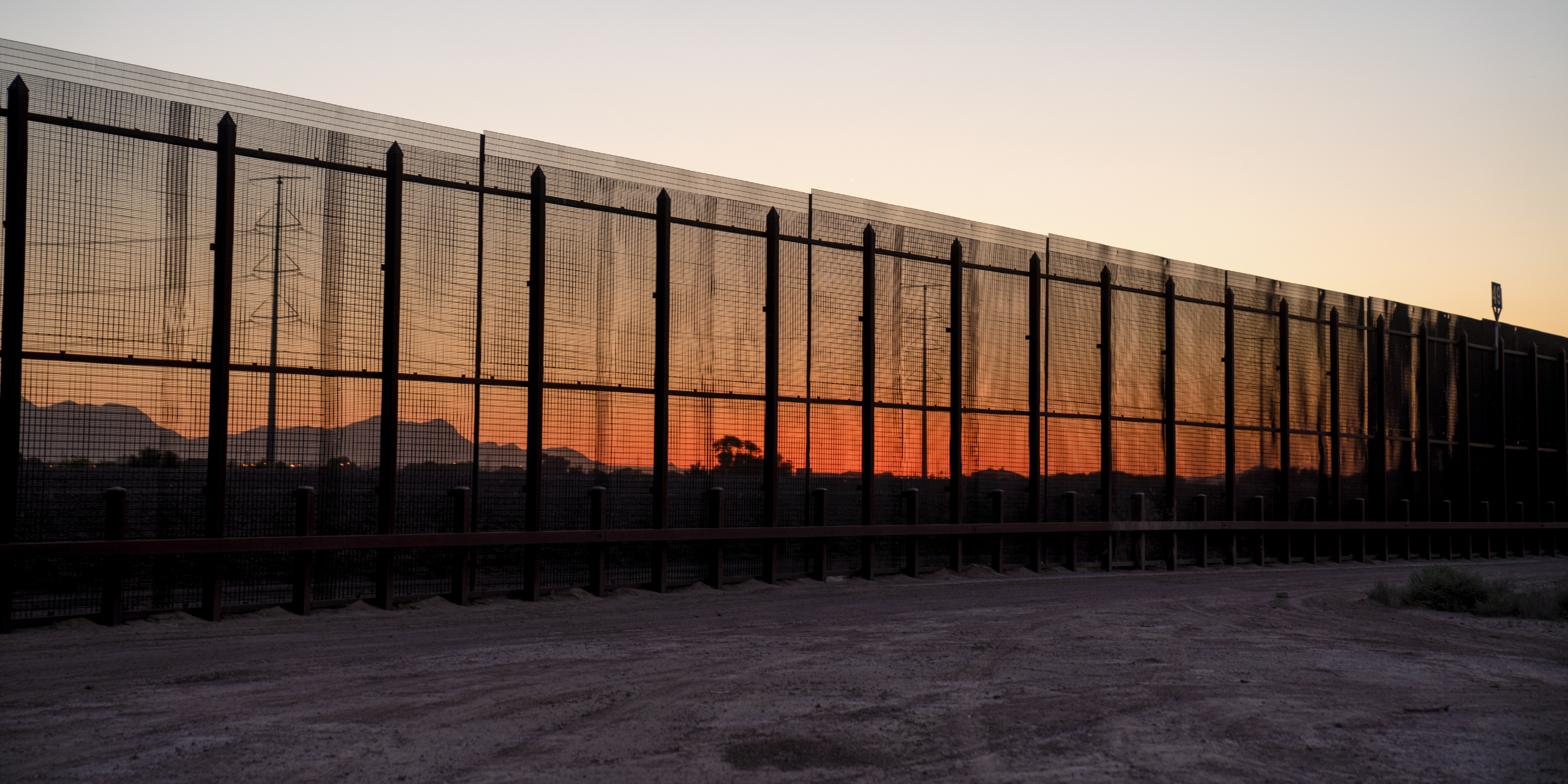
WASHINGTON, D.C. — Six Texas Democratic members of Congress joined Texas residents and national advocates today at the U.S Capitol to sound the alarm on the Trump administration’s $46.5 billion border wall plan, a sweeping proposal that would seize private land, exacerbate fatal flooding events, and cause irreparable damage to Texas communities and Big Bend National Park.
Representatives Lloyd Doggett (TX-37), Greg Casar (TX-35), Christian Menefee (TX-18), Al Green (TX-09), Sylvia Garcia (TX-29), and Lizzie Fletcher (TX-07) stood alongside landowners, community members and advocates to demand that Congress rescind funding for the wall, cancel existing contracts and repeal the administration’s unlawful waiver authority.
The Trump administration may ram a border wall through Big Bend National Park, an unnecessary and deeply damaging plan. The region’s remote, mountainous and rugged terrain means this area is unfavored for crossings, yet the administration wants to build through some 800,000 acres of Chihuahuan Desert, and mountain ecosystems, in an area where maintaining a wall would be impractical and costly.
“Big Bend is the lifeblood of our local economy,” said Billy Bartko, owner, Far Flung Outdoor Center. “A border wall through this region would be a catastrophe for our community and for every American who loves wild places.”
And while Customs and Border Protection quietly scrubbed physical barriers from its ‘Smart Wall Map’ plans for Big Bend National Park and Big Bend Ranch State Park in March, the administration has made no promise to keep border wall construction out of these national parks.
“We need Congress to tell the administration that it’s not too late to hit pause on border wall construction in the Big Bend region, talk to Texans, and find a better way forward that does not harm our beloved national parks and communities,” said Cary Dupuy, Texas regional director of the National Parks Conservation Association. “Big Bend is no place for a border wall.”
The threat of harm doesn’t stop at Big Bend. In South Texas, the administration plans to build 108 miles of border wall and 153 miles of river buoys in Webb and Zapata counties, including the seizure of riverfront land in Laredo through eminent domain. The project would clear and industrialize a wide corridor along the Rio Grande, permanently altering the river’s ecosystem.
“The Rio Grande is the lifeblood of this region, shared by millions on both sides,” said Tricia Cortez, executive director of the Rio Grande International Study Center. “Placing a wall and floating buoys in this river is reckless and will endanger human lives through catastrophic flooding.”
Border wall construction is paired with dozens of waivers that bypass environmental, public health, and cultural protection laws. Wall and buoy construction would increase contamination and sedimentation risks in the Rio Grande, which provides water for more than 15 million people. It will also disrupt the natural river flow. These changes will increase flood risk, damage ecosystems, and make water treatment more costly.
“Our community has already witnessed catastrophic flooding that wiped out property. If the wall is built, heavy rain will flood my neighborhood, lives will be lost,” said Jasmin Vega, who lives in a river-front neighborhood in Laredo, Texas. “This is unacceptable. Our lives matter.”
Dozens of eminent domain lawsuits have already been filed against Texas landowners this year, with little assurance of fair compensation. The structures would also concentrate floodwaters, raising the risk of severe flooding in riverside communities and putting bridges and other downstream infrastructure in danger.
“The federal government intends to seize land that has belonged to the city and its residents for generations. It will cut us off from the river, which is our only source of drinking water,” said Melissa Cigarroa, Laredo City Council member and landowner. “It will interfere with water, wastewater, and storm water drainage, and thus threatens public health and safety of our community.”
Taxpayers have already paid approximately $18.74 billion to build over 700 miles of damaging, ineffective border wall. This new wave of construction happens at a time when U.S. counties along the southern border have a poverty rate about twice as high as the national average. Experts say similar disparities happen in education, access to health care and prospects for economic growth.
“The problem is not just that Trump’s wall is being built, but also that it’s being built without any regard for the rule of law,” said Raul Garcia, vice president of policy and legislation at Earthjustice Action. “The administration is bulldozing through neighborhoods, damaging critical bodies of water, and scaring cultural and historically significant places, without laws that were established to protect our communities and the environment they depend on. Congress must rescind the funding and eliminate the border waiver authority.”